Presbyopia, cataracts and floaters: what is the difference, and when to see an eye doctor
After 40, many people notice their eyes are not what they used to be: holding the phone further away, a misty haze over everything, or little dark dots drifting across their vision. These three are often mixed up, but they are different problems.
Presbyopia: trouble seeing up close
Why it happens: the lens inside the eye stiffens with age and cannot focus as easily, usually from around 40–45.
What it feels like: holding your phone or a label further away to read it, worse in dim light, tired eyes or headaches after reading.
What helps: well-fitted reading glasses or multifocal lenses. It is normal ageing, not a disease, but it slowly changes, so check your eyes regularly.
Cataracts: like looking through a fog
Why it happens: the lens slowly becomes cloudy. Age is the main cause; diabetes, smoking, years of sun without sunglasses and long-term steroid use raise the risk.
What it feels like: blurry or dull vision, colours looking faded or yellowish, glare from headlights when driving at night, needing new glasses often.
What helps: early on, new glasses and brighter lighting. When it affects daily life, an eye doctor may recommend surgery to replace the lens, which is the only treatment that truly fixes a cataract. Supplements cannot make cataracts go away.
Floaters: dots drifting across your vision
Why it happens: the gel inside the eye changes with age and forms tiny clumps that cast shadows on the retina. People with high short-sightedness often notice them earlier.
What it feels like: dots, threads or cobweb shapes you see against a white wall or blue sky, moving when your eye moves.
What helps: most are harmless and you get used to them. One situation is urgent, though.
See an eye doctor the same day if
You suddenly see many new floaters, flashes of light, a shadow or curtain over part of your vision, a sudden drop in vision, or a painful red eye. These can be signs of a retinal tear or other emergency, and the sooner it is treated the better.
Everyday eye care
- Have an eye check every 1–2 years after 40, and every year if you have diabetes.
- Wear UV-blocking sunglasses and a hat outdoors.
- Do not smoke, and keep blood sugar and blood pressure under control.
- Eat plenty of dark leafy greens, orange and yellow fruit and vegetables, berries and fish.
- Rest your eyes every 20 minutes when using screens.
Everyday eye nutrition
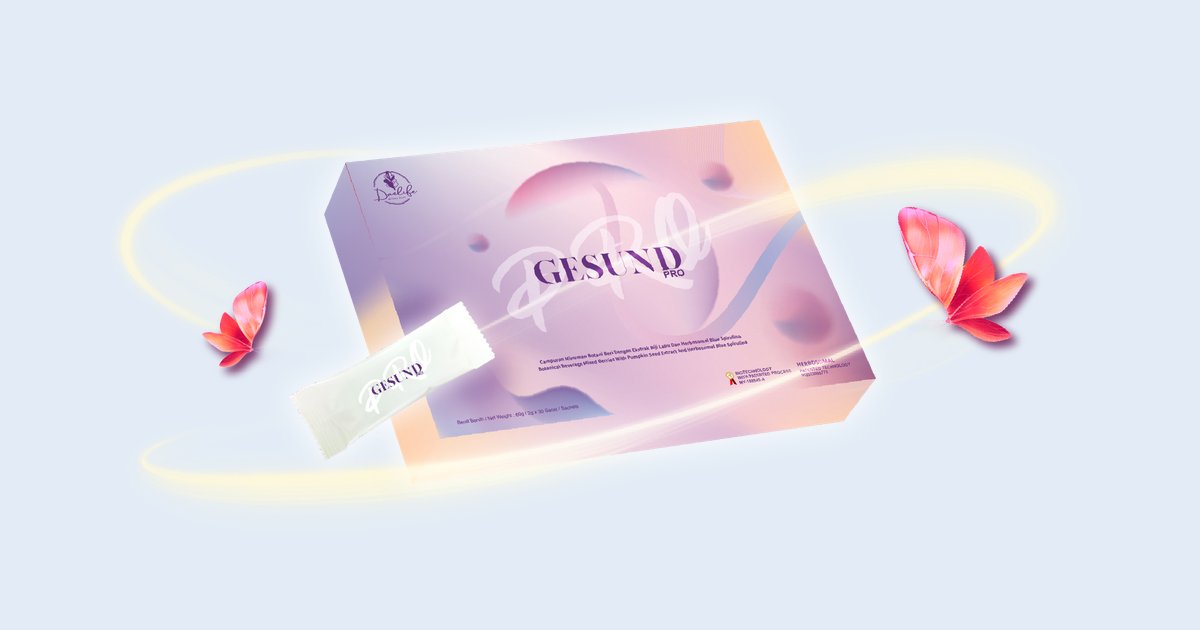
Your eyes face light and free-radical stress every day, so antioxidant nutrition matters. Gesund Pro contains astaxanthin, beta-carotene, mixed berries and pumpkin seed, plus the patented DigeZyme® and HERBOSOMAL® ingredients to support absorption, for daily eye care. It is a health supplement and does not replace eye checks or treatment, especially for cataracts or any sudden change in vision.
This article is general health information and does not replace a doctor’s diagnosis or treatment. If symptoms are severe, sudden or persistent, please see a doctor.